Ethanol Blending Under Scrutiny: Are Consumers and the Environment Really Benefiting?
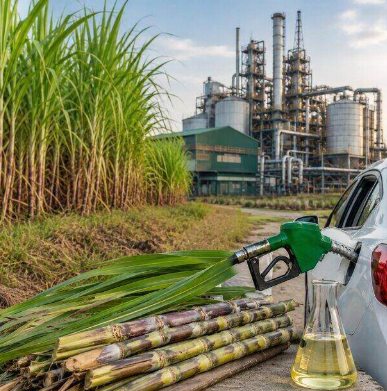
India’s ethanol blending programme has become the subject of growing public debate, with questions being raised about its impact on consumers, vehicles, fuel prices and the environment.
The government has promoted ethanol-blended petrol as part of its strategy to reduce dependence on imported crude oil, support domestic ethanol production and lower carbon emissions. Over the past few years, ethanol blending has increased significantly across the country.
However, critics argue that ordinary consumers have seen little direct benefit. Petrol prices remain high in many parts of the country, leading some to question whether ethanol blending has translated into any meaningful savings at the fuel pump.
Concerns have also been raised by some vehicle owners and consumer groups regarding the compatibility of higher ethanol blends with certain engines. While manufacturers and experts generally state that approved ethanol blends are safe for compatible vehicles, some consumers have reported performance issues and are calling for stricter fuel quality monitoring and greater transparency.
The environmental impact of ethanol blending is also being debated. Supporters say ethanol is a renewable fuel that can help reduce greenhouse gas emissions and improve energy security. Critics, however, argue that the overall environmental benefits depend on how ethanol is produced, the crops used and the resources required for its cultivation and processing.
As discussions continue, some public representatives and consumer advocates have demanded more transparent data on fuel quality, vehicle performance, consumer costs and the real environmental outcomes of the ethanol blending programme.
The debate highlights the need for clear scientific evidence, effective quality control and transparent communication so that consumers can better understand both the benefits and the challenges associated with ethanol-blended fuel.